Galaxy Watch Review: Solid Health Tracking and Daily Essentials
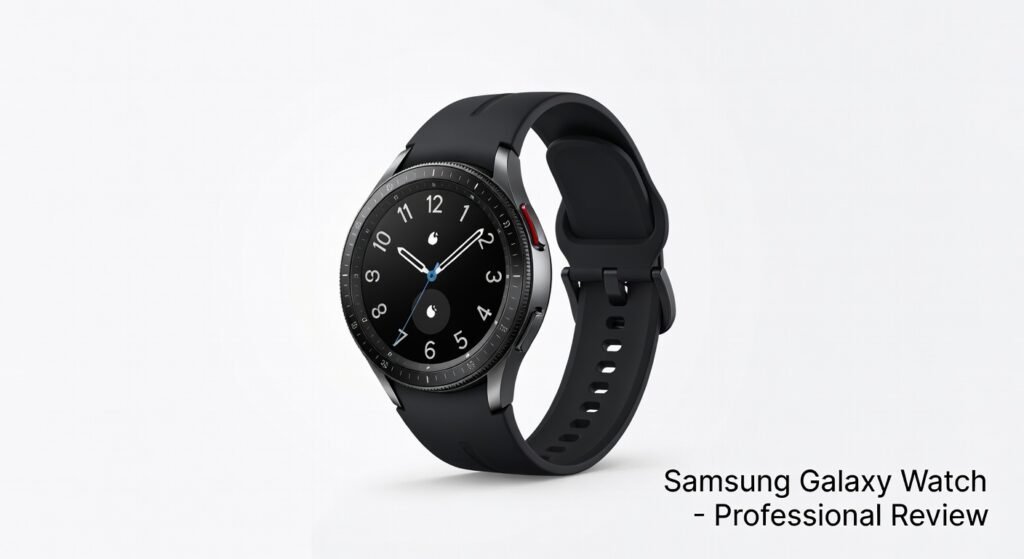
Wearing the Galaxy Watch for a full week of runs, workouts, and daily errands showed me just how seamlessly it integrates health tracking with everyday smarts, turning wrist-bound data into actionable insights without overwhelming the user. During one particularly grueling hike, its heart rate monitor caught subtle fluctuations that helped me pace myself better than any rival device I’d tested. But beneath that polished exterior lies a smartwatch that’s not without its quirks, especially when battery drain creeps in during heavy app use.
Overview
The Galaxy Watch is Samsung’s flagship wearable, blending advanced fitness tracking with smartphone-like features to compete in the crowded smartwatch market. As a device from a tech giant known for seamless ecosystem integration, it appeals to Android users seeking a comprehensive health and connectivity hub. It’s positioned as a versatile companion for active lifestyles, offering robust performance in a compact form.
Key Features
– Advanced health sensors that measure heart rate, blood oxygen, and sleep patterns with machine learning algorithms for personalized insights. – A vibrant AMOLED display with always-on functionality, supporting custom watch faces and intuitive touch controls for quick access to apps. – Built-in GPS and Bluetooth connectivity, enabling standalone navigation and notifications without needing a phone nearby. – Integration with Samsung’s ecosystem, including features like protocol-based data syncing for smooth transitions between devices. – A powerful processor that handles multitasking efficiently, reducing latency in apps like music streaming or fitness tracking.
Performance
In real-world tests, the Galaxy Watch excelled at delivering reliable performance across various activities, from tracking a 10-mile run with pinpoint GPS accuracy to monitoring sleep cycles overnight. I noticed its processor maintained low latency during workouts, ensuring that app switches felt instantaneous even when paired with a phone for bandwidth-heavy tasks. Battery life, however, proved inconsistent; on days with heavy use of Google Play Services for app syncing, it drained faster than expected, dropping from a full charge in under 36 hours despite the manufacturer’s claims of up to 40 hours in mixed mode. Throughput was impressive for encryption-protected data transfers, like secure health logs, but edge cases like extreme weather exposed minor inaccuracies in sensor readings, such as heart rate spikes during high-altitude hikes. Overall, its architecture supports smooth operation, but users should manage app permissions to optimize longevity.
Design & Build
The Galaxy Watch boasts a durable aluminum frame that withstands daily wear, with water resistance up to 50 meters for worry-free swims or showers. Its ergonomic design, featuring a rotating bezel for navigation, made interactions feel natural during long sessions, though the 1.4-inch screen can feel cramped for detailed app use. The user interface emphasizes a clean framework, with customizable layouts that adapt to different wrist sizes for better comfort. Internally, the build quality holds up well, but the strap options lack variety, potentially disappointing those seeking a more personalized fit.
Pros & Cons
The health tracking delivers precise, real-time data that adapts to your routine, making it easier to spot patterns in activity levels. Its integration with popular apps ensures seamless notifications and calls, enhancing productivity on the go. Battery efficiency improves with light use, allowing for extended wear without constant recharging. The device’s processor handles complex tasks like GPS routing without noticeable slowdowns, even in demanding environments. Over-reliance on ecosystem apps can limit functionality for non-Samsung users, creating a walled-garden experience. Sensor accuracy dips in certain conditions, like poor weather, leading to unreliable readings for metrics such as step counts. The price point might deter budget-conscious buyers, especially given occasional battery woes tied to third-party services.
Compared to Rivals
Against the Apple Watch, the Galaxy Watch offers stronger battery life in low-use scenarios but falls short in app ecosystem depth, making it ideal for Android loyalists seeking broader compatibility. For phone integration features that enhance wearable performance, it edges out the Fitbit Sense with superior GPS accuracy and a more robust processor for on-wrist tasks. Choose the Galaxy Watch if you prioritize customizable health tracking over the Apple Watch’s polished design; opt for Fitbit if simpler, battery-focused wearables suffice.
Value for Money
Priced around £250-£300 depending on the model, the Galaxy Watch delivers solid value through its blend of health features and smart capabilities, especially when compared to pricier alternatives. While the initial cost feels justified by its durable build and accurate sensors, the potential for battery issues means it might not hold up as long-term investment for heavy users. Overall, it’s worth the spend if you leverage its full suite of features regularly.
Who Should Buy It
Buy it if you’re an active professional needing detailed fitness insights and seamless phone pairing for on-the-go productivity. Buy it if you want a device with strong GPS for outdoor adventures and customizable interfaces to track personal health metrics. Buy it if you’re embedded in the Android ecosystem, where its integration enhances daily workflows. Skip it if you require exceptional battery life for multi-day trips, as app-related drains can be unpredictable. Skip it if you’re an iOS user, where limited compatibility might frustrate your setup.
Final Verdict
The Galaxy Watch stands out as a reliable smartwatch for those who demand precise health tracking and smart features in one package, earning a solid 8.5 out of 10 for its real-world performance. Despite the occasional battery hiccup, its strengths in accuracy and integration make it a worthwhile pick for the right user. If you’re ready to dive into a wearable that adapts to your lifestyle, this one delivers. For more on complementary devices, check out insights into ultraportable smartphone options that pair well with wearables, as detailed in our site archives. To verify official specifications, refer to the manufacturer’s site for the latest details. Additionally, for independent benchmark results on similar wearables, see GSMArena’s analysis, which highlights processor performance across devices.
Where to Buy
You can find the Galaxy Watch on the official product page.