What Is Standard Assessment Procedure (SAP)? A Complete Guide
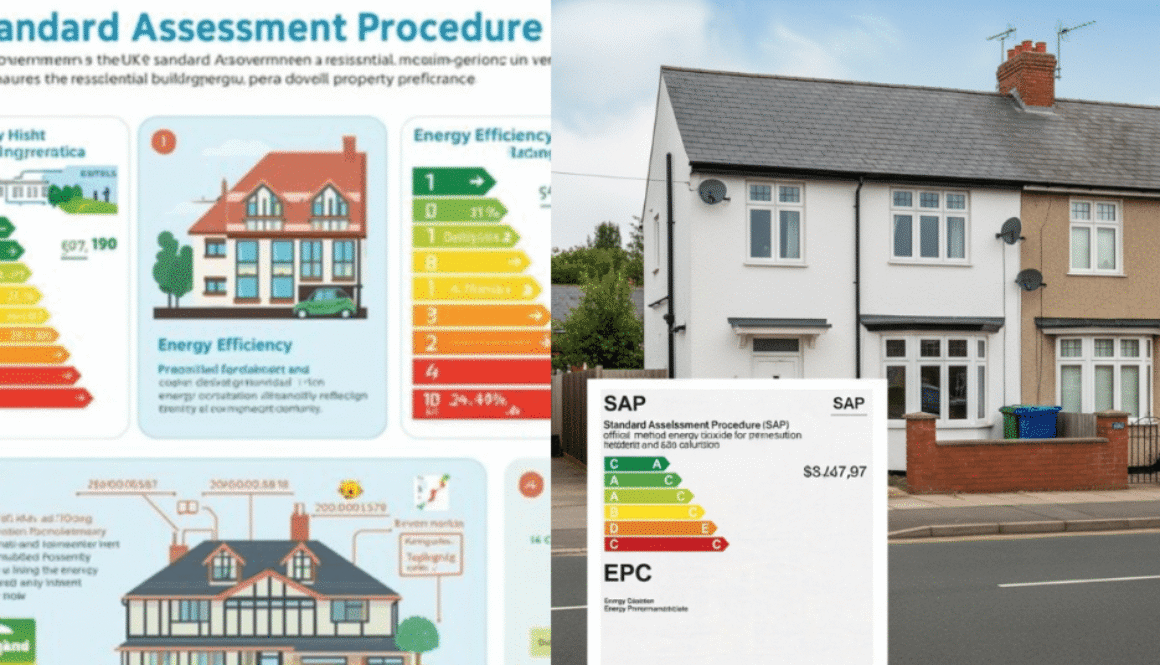
The Standard Assessment Procedure (SAP) is the UK government’s official method for measuring and comparing the energy performance of residential buildings. It provides a standardized way to calculate how much energy a home uses, how much carbon dioxide it produces, and how energy-efficient the property is overall.
If you’ve ever seen an Energy Performance Certificate (EPC) while buying, renting, or selling a home, the rating on that certificate is based on SAP calculations. Understanding SAP is essential for homeowners, builders, property developers, landlords, and sustainability professionals.
This guide explains what SAP is, how it works, why it matters, and how it affects property design, construction, and compliance.
What Does Standard Assessment Procedure Mean?
Standard Assessment Procedure (SAP) is a methodology developed to evaluate the energy efficiency and environmental performance of dwellings.
It was created to:
- Measure energy consumption
- Estimate carbon emissions
- Compare property efficiency fairly
- Support building regulations compliance
- Encourage low-energy housing design
SAP provides a numerical rating that reflects how energy efficient a property is. The higher the SAP score, the more efficient the home.
Why SAP Was Introduced
Energy use in residential buildings contributes significantly to national carbon emissions. Governments need a reliable way to:
- Monitor housing energy performance
- Set energy efficiency standards
- Reduce environmental impact
- Encourage sustainable construction
SAP was introduced to create a consistent and scientific framework for evaluating homes across the country.
Without SAP, comparing the energy performance of different buildings would be inconsistent and unreliable.
How SAP Ratings Work
SAP produces a score on a scale from 1 to 100+.
SAP Score Meaning
| SAP Score | Energy Efficiency Level |
| 1–20 | Very Poor |
| 21–40 | Poor |
| 41–55 | Average |
| 56–70 | Good |
| 71–90 | Very Good |
| 91–100 | Excellent |
| 100+ | Net Zero / Energy Positive |
A score above 100 means the property generates more energy than it consumes.
What SAP Measures
SAP calculations are based on multiple building factors that influence energy use:
1. Construction Materials
- Wall insulation
- Roof insulation
- Floor insulation
- Thermal mass
2. Heating Systems
- Boiler efficiency
- Heat pumps
- Radiators
- Underfloor heating
3. Ventilation
- Natural ventilation
- Mechanical ventilation systems
- Heat recovery systems
4. Lighting
- Energy-efficient bulbs
- LED lighting
- Lighting control systems
5. Renewable Energy Systems
- Solar panels
- Wind turbines
- Biomass systems
6. Air Tightness
- Draft prevention
- Sealing quality
- Heat loss control
7. Hot Water Systems
- Water heating efficiency
- Storage insulation
- Distribution losses
What SAP Does NOT Consider
To ensure fairness, SAP assumes standard living conditions, meaning it does not consider:
- Number of occupants
- Personal lifestyle habits
- Appliance usage
- Weather variations
- Interior design choices
This allows properties to be compared objectively.
How SAP Is Calculated
SAP uses a mathematical model based on:
- Building geometry
- Fabric heat loss
- Ventilation heat loss
- Heating demand
- Energy generation
- Carbon emissions
Specialized software tools are used by certified assessors to perform SAP calculations accurately.
Read More about New Digital ID UK Explained: What It Means for Citizens
SAP and Energy Performance Certificates (EPCs)
SAP is the foundation of Energy Performance Certificates.
When a property is assessed:
- A qualified assessor inspects the building
- SAP calculations are performed
- An EPC rating is issued
- Improvement recommendations are provided
EPC ratings range from A (most efficient) to G (least efficient).
SAP and Building Regulations
SAP plays a crucial role in building compliance.
It is required for:
- New residential buildings
- Major renovations
- Property extensions
- Conversions (e.g., commercial to residential)
Building designs must meet minimum SAP standards to receive approval.
Benefits of SAP
1. Encourages Energy Efficiency
SAP pushes builders and developers to adopt efficient construction practices.
2. Reduces Energy Bills
Homes with higher SAP ratings consume less energy, lowering utility costs.
3. Supports Environmental Goals
Lower energy use means fewer carbon emissions.
4. Improves Property Value
Energy-efficient homes are more attractive to buyers and renters.
5. Standardized Comparisons
SAP allows fair comparisons between properties.
Who Needs SAP Assessments?
Homeowners
To understand energy performance and reduce bills.
Property Developers
To meet building regulations and improve marketability.
Landlords
To comply with minimum energy efficiency standards.
Architects & Builders
To design energy-compliant structures.
Real Estate Professionals
To provide accurate property information.
SAP vs EPC: What’s the Difference?
| SAP | EPC |
| Calculation method | Certificate/report |
| Technical energy model | Public-facing rating |
| Used during design & construction | Used for buying/selling/renting |
| Produces numerical efficiency score | Produces A–G grade |
SAP generates the data; EPC presents it in an easy format.
Types of SAP Assessments
1. SAP for New Builds
- Required before construction
- Ensures compliance
- Used in planning stage
2. Reduced Data SAP (RdSAP)
- Used for existing properties
- Requires fewer inputs
- Common for EPC assessments
How to Improve SAP Rating
Improving SAP can enhance property efficiency and value.
Practical Improvements
Insulation Upgrades
- Loft insulation
- Wall cavity insulation
- Floor insulation
Efficient Heating Systems
- Modern condensing boilers
- Heat pumps
- Smart thermostats
Renewable Energy
- Solar PV panels
- Solar water heating
Lighting
- LED bulbs
- Energy-saving fixtures
Ventilation
- Mechanical ventilation with heat recovery
Air Tightness
- Sealing drafts
- Double/triple glazing
SAP in Sustainable Construction
SAP supports green building initiatives by encouraging:
- Low-energy design
- Renewable integration
- Carbon reduction strategies
- Net-zero housing
Modern sustainable homes often achieve high SAP scores through smart design and energy technology.
Common Misconceptions About SAP
“SAP measures actual energy bills”
False — it estimates performance under standard conditions.
“Older homes can’t improve SAP”
False — upgrades can significantly boost ratings.
“SAP only matters for new buildings”
False — existing homes also benefit from assessments.
The Future of SAP
Energy regulations are becoming stricter worldwide. Future SAP updates are expected to:
- Focus more on carbon reduction
- Encourage renewable adoption
- Support net-zero housing targets
- Improve building performance modeling
SAP will continue to shape how homes are designed and evaluated.
Learn about How to Check Battery Health in Laptop (Easy Guide)
FAQs
1. What is the purpose of SAP?
SAP measures the energy efficiency and environmental performance of residential buildings.
2. Is SAP mandatory?
Yes, SAP assessments are required for new residential construction and major renovations.
3. What is a good SAP score?
A score above 70 is considered very good, while 90+ is excellent.
4. Who performs SAP assessments?
Certified energy assessors using approved software tools.
5. How long does a SAP assessment take?
For new builds, it’s part of the design process. On-site assessments usually take a few hours.
6. Does SAP affect property value?
Yes, higher SAP ratings can increase property attractiveness and resale value.
7. Can I improve my SAP rating?
Yes. Upgrading insulation, heating systems, and adding renewables can boost your score.