Gen-Z Is Buying Up Old-School iPods, And It's Not Hard To See Why
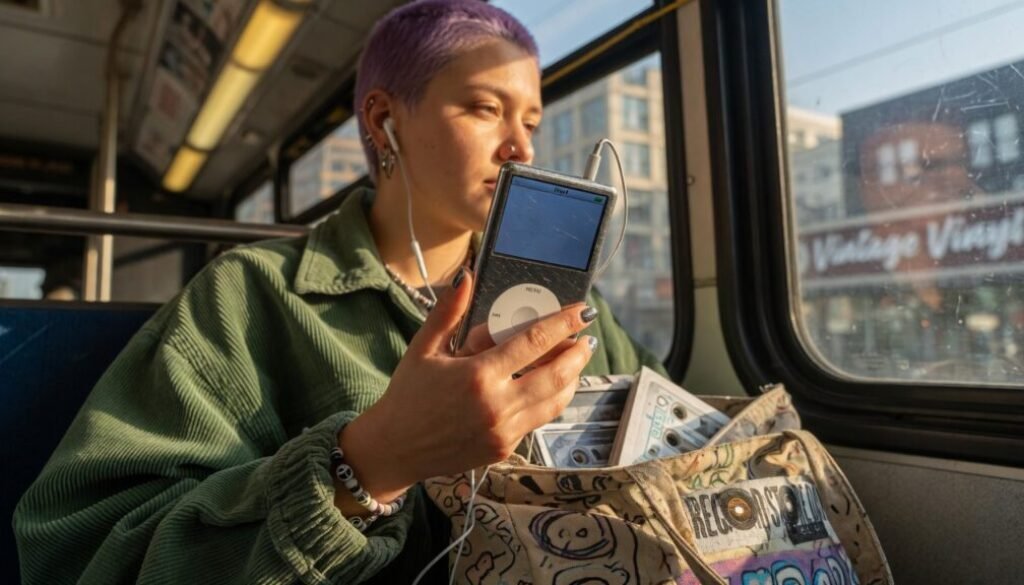
A growing number of Gen Z consumers are bypassing Spotify playlists and AirPods in favor of a device most assumed was obsolete: the dedicated MP3 player, specifically Apple’s classic iPod lineup. Resale platforms, vintage tech marketplaces, and thrift stores report a steady surge in demand for iPod Classic, iPod Nano, and iPod Shuffle models—often from buyers born after these devices were discontinued. The trend points to more than simple nostalgia. It reflects a deliberate rejection of notification-saturated smartphones and a search for a more intentional relationship with music.
The Allure of Distraction-Free Listening
Streaming platforms offer virtually infinite music, but they arrive bundled with endless interruptions. Every notification, app badge, and algorithmic recommendation pulls listeners out of the moment. An old-school iPod eliminates that noise entirely. The device does one job: play audio files stored locally on its hard drive or flash memory. There are no pop-up messages, no social feeds, and no temptation to doomscroll between tracks. Research consistently links constant digital interruptions to increased anxiety and reduced attention spans. A Pew Research Center analysis on screen time found that a majority of teenagers report feeling they spend too much time on their phones, and many actively attempt to cut back. For some, carrying a separate music player acts as a functional boundary—it allows them to leave the smartphone behind during study sessions, commutes, or walks, while still enjoying a curated library of songs. This mono-tasking appeal extends to the tactile controls. The iPod’s iconic click wheel, physical buttons, and wired headphone jack create a deliberate, hands-on experience that swipe gestures and voice commands cannot replicate. The act of scrolling through a personal collection, hearing the hard drive spin, and pressing play on a specific album supports a kind of engaged listening that passive streaming rarely matches.
Nostalgia Meets the Y2K Aesthetic
Gen Z’s fascination with early-2000s culture—fashion, low-resolution digital cameras, and wired earbuds—has fueled a broader Y2K revival. Within this movement, the iPod represents a peak design artifact. The white polycarbonate shell, pastel-colored iPod Minis, and mirrored backs of the iPod Classic evoke an era when personal technology felt more whimsical and less surveillance-driven. Social media feeds are filled with videos of users unboxing refurbished iPods, customizing them with new faceplates, and pairing them with chunky over-ear headphones. The aesthetic goes beyond appearance; it signals a stance against a hyper-connected existence. While the latest fitness trackers cram dozens of features into a wrist-based display, the iPod strips listening back to its essentials. This visual and functional simplicity resonates with a generation increasingly aware of digital burnout. Manufacturers have taken note. Boutique shops now offer upgraded iPods with solid-state storage, improved batteries, and even Bluetooth transmitters—blending the classic form with modern convenience without compromising the offline-first philosophy.
The Economics of Vintage Tech
Contrary to the narrative that Gen Z only values the newest gadgets, the iPod revival exemplifies a savvy, secondhand-first mindset. A refurbished 5th-generation iPod Classic or a 7th-generation Nano can cost anywhere from $40 to $120, a fraction of the price of a modern smartphone or high-resolution digital audio player. For a device that holds thousands of songs and lasts a decade, the value proposition is compelling. Platforms like eBay, Mercari, and specialized retro-tech forums have become bustling hubs for buying, selling, and trading these devices. As shoppers flood annual laptop sales events, a parallel economy hums quietly around refurbished MP3 players. The iPod’s lack of planned obsolescence—many units from the mid-2000s still function perfectly—makes it an environmentally appealing choice in an era of e-waste criticism. Moreover, the economics of music consumption shift. Instead of recurring subscription fees, iPod users rely on purchased downloads, ripped CDs, or DRM-free files. Over several years, the savings can be substantial, and the listener owns the music outright rather than renting perpetual access.
Built to Last: Battery and Repairability
Modern smartphones are notoriously difficult to repair, with glued-in batteries and serialized components that discourage DIY fixes. iPods, by contrast, boast a thriving modding community. Replacement batteries, screens, and storage upgrades are widely available, and instructional guides make the process accessible even to novices. This repairability extends the lifespan of a device indefinitely. A well-maintained iPod Classic can be opened with basic tools, its old mechanical hard drive swapped for a silent SD card adapter, and its battery upgraded to a higher-capacity cell that lasts days on a single charge. This longevity stands in stark contrast to the two-to-three-year upgrade cycle that characterizes the smartphone industry. Audio quality, too, benefits from the dedicated hardware. The Wolfson DAC (digital-to-analog converter) found in certain iPod models is still prized by audio enthusiasts for its warm, detailed sound signature. When paired with high-quality wired headphones or even a modern premium speaker system, the sonic performance rivals or exceeds what compressed streaming services deliver over Bluetooth.
The Return of Tangible Music Ownership
Streaming catalogs are ephemeral—albums disappear, licenses change, and an artist’s discography can vanish overnight. An iPod loaded with MP3 or lossless files represents a permanent, personal archive. This sense of ownership resonates deeply with a demographic that has grown up with only cloud-based access. Building an iPod library often leads listeners back to physical media: buying used CDs from local shops, borrowing from libraries, and exploring high-quality digital downloads from platforms like Bandcamp. The process transforms music consumption from a passive, algorithm-fed experience into an act of curation. Every song on the device is there because the owner intentionally placed it. The original iPod, launched over two decades ago, introduced the promise of a thousand songs in your pocket. Today, that same promise carries a different kind of weight—not about capacity, but about freedom from algorithmic recommendations, notification fatigue, and the creeping feeling that the device in your pocket owns more of your attention than you do.
Practical Ways to Start a Distraction-Free Music Setup
For those intrigued by the trend, getting started requires minimal investment and a few straightforward steps.
- Choose the right model. The iPod Classic (5th or 7th generation) offers expandability and iconic design. The iPod Nano provides a compact, flash-based alternative, while the Shuffle excels at minimalist workouts.
- Source a unit in good condition. Look for devices with a functioning battery, clear screen, and intact headphone jack. Online marketplaces often have listings with detailed photos and seller ratings.
- Build a local music library. Rip CDs, purchase DRM-free files, or convert existing recordings. Software like iTunes (with older versions) or third-party managers can sync tracks easily.
- Consider upgrades. If the battery degrades or the storage feels limited, aftermarket upgrade kits provide a straightforward path to modern reliability while keeping the original exterior.
- Embrace the limits. Resist the urge to load every song. A curated, intentional collection—perhaps a few hundred albums—reinforces the focused listening that makes the experience valuable.
What the iPod Revival Tells Us About Tech Fatigue
The resurgence of a device with no internet connectivity,