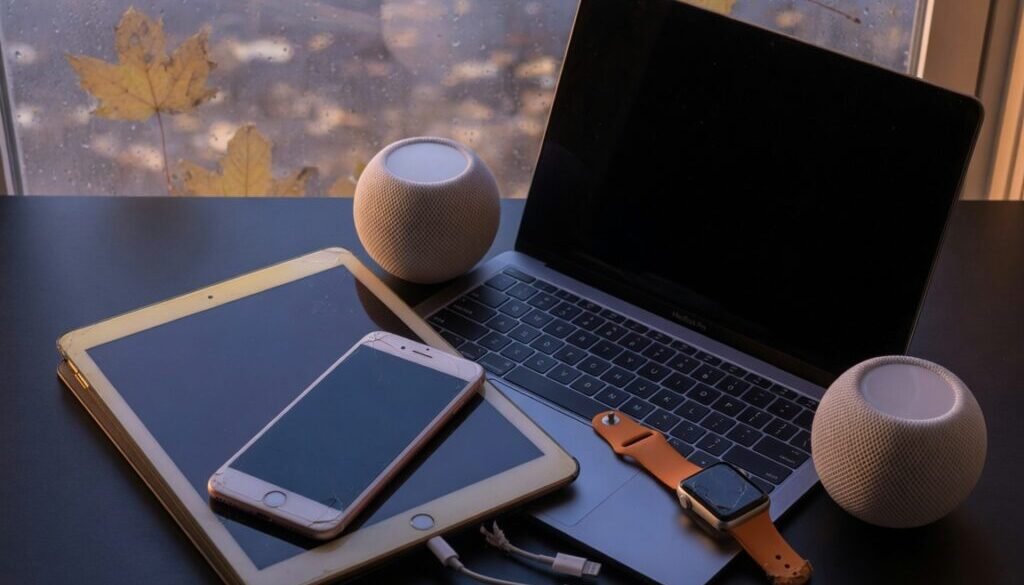
Have One of These 16 Apple Devices? Software Support Ends This Fall
Apple has confirmed that software support will end for 16 devices across its product lineup this fall, marking one of the largest waves of obsolescence in the company’s history. The changes, which take effect when the next major operating system releases arrive, will leave millions of iPhones, iPads, Macs, and Apple Watches without security patches, new features, or app compatibility for future software. For owners of these devices, the clock is already ticking.
The Full List: Devices Dropping Software Compatibility
The affected hardware spans four product categories, with the Apple Watch receiving the most aggressive culling. Based on the beta compatibility lists for iOS 20, iPadOS 20, macOS 16, and watchOS 13, these models are expected to be left behind.
iPhone
- iPhone 11
- iPhone 11 Pro
- iPhone 11 Pro Max
- iPhone SE (2nd generation)
Apple’s A13 Bionic chip, which debuted in 2019, has now reached its end of the road for major OS updates. While these devices remain functional on iOS 19, they will not receive the security and feature enhancements that ship with iOS 20.
iPad
- iPad (7th generation)
- iPad Pro 11-inch (1st generation)
- iPad Pro 12.9-inch (3rd generation)
The A10 Fusion and A12X Bionic processors inside these tablets can no longer meet the performance and memory thresholds required for iPadOS 20’s multitasking and AI-driven features.
Mac
- MacBook Air (2018)
- MacBook Pro (13-inch, 2018, four Thunderbolt 3 ports)
- MacBook Pro (15-inch, 2018)
- Mac mini (2018)
- iMac (Retina 5K, 27-inch, 2019)
Intel-based Macs with T2 security chips will be severed from the macOS 16 upgrade path. Transition to Apple silicon has been underway for years, and 2026 reinforces that shift.
Apple Watch
- Apple Watch Series 4
- Apple Watch Series 5
- Apple Watch SE (1st generation)
- Apple Watch Series 6
The fallout is especially dramatic for wearables: four models lose support simultaneously — the largest single-generation cut in Apple Watch history. WatchOS 13 demands a faster Neural Engine and larger storage footprint, which these earlier S-series chips cannot supply.
Why Apple Ends Software Support for Older Hardware
Apple’s decision isn’t arbitrary. Each major operating system release incorporates advancements in machine learning, augmented reality, and real-time processing that require modern silicon. New APIs, such as on-device large language model integration and system-wide handwriting recognition, depend on neural cores absent from older processors. Phasing out legacy devices also simplifies engineering resources. By reducing the number of chip architectures it supports, Apple can focus optimization efforts on current hardware. This approach mirrors the company’s broader software design philosophy that prioritizes utility over bloat, ensuring that new features perform reliably instead of being crammed into ageing chassis. Battery aging also plays a role. Older lithium-ion cells cannot sustain peak performance under the demands of modern operating systems, which would result in sluggish experiences and diminished usability. Halting support prevents the negative user perception that comes from such degradation.
The Security Risks of Unsupported Apple Hardware
Once a device falls off the update list, it no longer receives rapid security patches for kernel exploits, WebKit flaws, or Bluetooth vulnerabilities. Even a fully functional iPhone 11 can become a vector for attacks if left unpatched against known threats. Apple’s vintage and obsolete products policy clearly states that discontinued software support means no further security updates. Application developers also move quickly to adopt new OS frameworks. Within 12 to 18 months, popular banking, health, and productivity apps typically require a minimum OS version that unsupported hardware will never reach. What begins as a minor inconvenience often escalates into an unusable device for modern workflows. For users who keep their devices connected to Wi-Fi and Bluetooth networks daily, the risk is significant. Any persistent vulnerability discovered after the final update remains permanently exploitable, leaving personal data, passwords, and financial information exposed.
What Owners Can Do Before Support Ends
A proactive approach makes the transition far less disruptive. Check your device model: Navigate to Settings > General > About on iPhone or iPad; on Mac, choose Apple Menu > About This Mac; on Apple Watch, open the Watch app and go to My Watch > General > About. If your device matches any model listed above, it will be cut off. Back up all data: Perform one final iCloud or encrypted Finder backup while the current OS is still fully supported. This ensures smooth migration to a new device later. Evaluate trade-in programs: Apple’s GiveBack program typically offers credit for functional devices, though values drop sharply once a model becomes off-support. Third-party resellers may still provide competitive prices, particularly during the pre-launch window for new hardware. Consider an upgrade that matches your usage: A lightweight MacBook Air with Apple silicon delivers substantial performance gains for productivity-focused users upgrading from an Intel-based Mac. Similarly, the sleek iPhone Air 2 offers a slim, capable daily-driver alternative for those on older iPhones.
How to Maximize an Old Device After Support Ends
While upgrading is the safest path, an unsupported device can still serve a secondary purpose for a limited time. Repurpose it as a dedicated media remote, children’s entertainment device, or home security camera monitor. However, restrict its network access to local connections only and avoid processing sensitive information. Installing the final OS version with all available security patches is essential — that snapshot represents the most secure state possible. For Apple Watch owners, using the device purely for activity tracking offline and disabling data syncing can extend its utility. Still, because wearables hold health data, the safest decision remains retirement or trade-in. Ultimately, Apple’s decision to sunset 16 devices this fall reflects an intentional focus on modern capabilities and reliable security. Sticking with stranded hardware introduces steep operational risk. By identifying your device, backing up data, and exploring trade-in pathways now, you can transition smoothly to hardware that will stay protected for years.