Sterile Fly Strategy: How the US Plans to Combat Screwworm Outbreaks
A quiet but formidable threat is moving through livestock and wildlife populations in the Americas. The New World screwworm (Cochliomyia hominivorax), a flesh-eating fly larva, can devastate herds, cause severe animal suffering, and inflict millions of dollars in economic damage. The United States Department of Agriculture (USDA) has a specific response to this threat, and it hinges on a counterintuitive tactic: releasing even more flies into the environment.
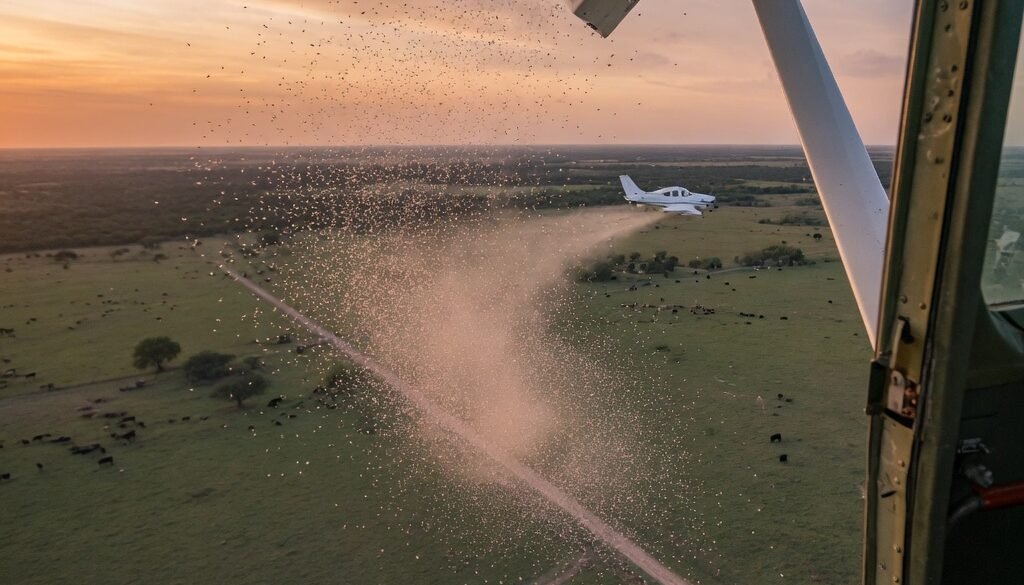
This approach is not a mistake. It is the Sterile Insect Technique (SIT), a biological control method refined over decades. The strategy involves rearing massive numbers of screwworm flies, sterilizing them with radiation, and then dropping them from aircraft over affected areas. When sterile males mate with wild females, no offspring result. Over successive generations, the wild population collapses. The challenge facing the US in 2026 is that the existing production infrastructure is not keeping pace with current outbreak demands.
The Production Bottleneck: Why More Flies Are Needed
The effectiveness of SIT depends entirely on overwhelming the wild population with sterile males. For the technique to work, sterile flies must outnumber fertile wild flies by a ratio of at least ten to one. This requires a continuous, large-scale manufacturing process.
The USDA operates a specialized facility in Panama that has historically produced millions of sterile screwworm flies each week. However, recent outbreaks in Mexico and the potential for re-infestation in the southern United States have strained this capacity. The agency is now exploring ways to boost production significantly. The core problem is not a lack of scientific knowledge but a lack of industrial capacity. Modern technologies used in automated rearing systems are being evaluated to accelerate production without sacrificing fly quality.
How Sterilization Works on an Industrial Scale
Understanding the production pipeline reveals why this is a logistical feat. The process begins with maintaining a massive colony of healthy screwworm flies at a dedicated facility.
- Rearing: Adult flies are kept in climate-controlled rooms where they lay eggs on artificial media. The larvae are then fed a diet of blood, meat, and other nutrients until they pupate.
- Sterilization: Once the pupae reach the proper stage of development, they are exposed to a precise dose of gamma radiation from a Cobalt-60 source. This radiation damages the reproductive cells of both male and female flies without making them too weak to compete.
- Marking and Release: After sterilization, the pupae are dyed with a specific color so field inspectors can later distinguish them from wild flies. They are then loaded into specialized containers and loaded onto small aircraft. The planes fly pre-planned routes, releasing the flies over targeted zones.
The entire process is a race against time. The sterile flies must emerge from their pupae, mature, and begin mating before they die, usually within a week of release.
Economic and Ecological Stakes of the Program
The financial incentive for this program is immense. A single screwworm infestation can cause a 20 percent death rate in untreated cattle herds. Infected animals develop deep, festering wounds that attract more flies, creating a cycle of infection that is difficult to break. The cost of treating individual animals with veterinary care far exceeds the cost of the aerial release program.
Furthermore, the presence of screwworm restricts international livestock trade. Countries free of the pest impose strict quarantine measures on imported animals from regions with active outbreaks. The USDA’s plan to expand fly production is not just about animal welfare; it is about protecting an industry worth billions of dollars annually. According to published entomological research on the New World screwworm, the SIT program has been credited with eradicating the pest from the United States, Mexico, and Central America in the past, making it one of the most successful insect control programs in history.
Challenges in Scaling the Sterile Fly Factory
Scaling up a biological factory presents unique obstacles that a traditional manufacturing plant does not face. The flies must remain genetically robust and behaviorally competitive. If the rearing process becomes too artificial, the sterile males may not fly well or may fail to locate wild females in the field.
There is also the issue of timing. The release must coincide with the wild fly’s breeding season and environmental conditions. Rain, wind, and temperature all affect the success of aerial drops. The USDA is investing in USDA guidelines for sterile insect technique implementation to standardize these operational variables across different geographic regions.
Another logistical hurdle is transportation. Sterile pupae are living cargo that must be kept at a precise temperature. Delays at airports or breakdowns in cold-chain logistics can result in the death of millions of flies before they ever leave the ground.
Key Takeaways for Those Monitoring the Situation
For livestock producers, veterinarians, and border security personnel, understanding this program is essential for preparedness.
- Report suspicious wounds: Early detection of screwworm in an animal is critical. Look for maggots in wounds, nostrils, or ears.
- Understand the release schedule: Producers in southern border states should be aware of when aerial drops occur in their region to avoid unnecessary concern.
- Support biosecurity measures: Compliance with animal transport regulations helps prevent the spread of the pest beyond containment zones.
The USDA plan represents a high-stakes biological arms race. The only way to beat a flesh-eating fly is to produce an overwhelming number of its sterile relatives. The success of this strategy will depend on whether the production system can be expanded fast enough to stay ahead of the outbreak.
Conclusion
The fight against the New World screwworm is entering a critical phase. The USDA’s strategy to combat the pest relies on the proven but resource-intensive Sterile Insect Technique. The primary obstacle is no longer scientific—it is industrial capacity. Increasing the production of sterile flies by millions per week requires investment in new facilities, automation, and logistics. For the livestock industry, the outcome of this expansion effort will determine whether the US remains free of a devastating parasite or faces a costly and painful re-infestation.